

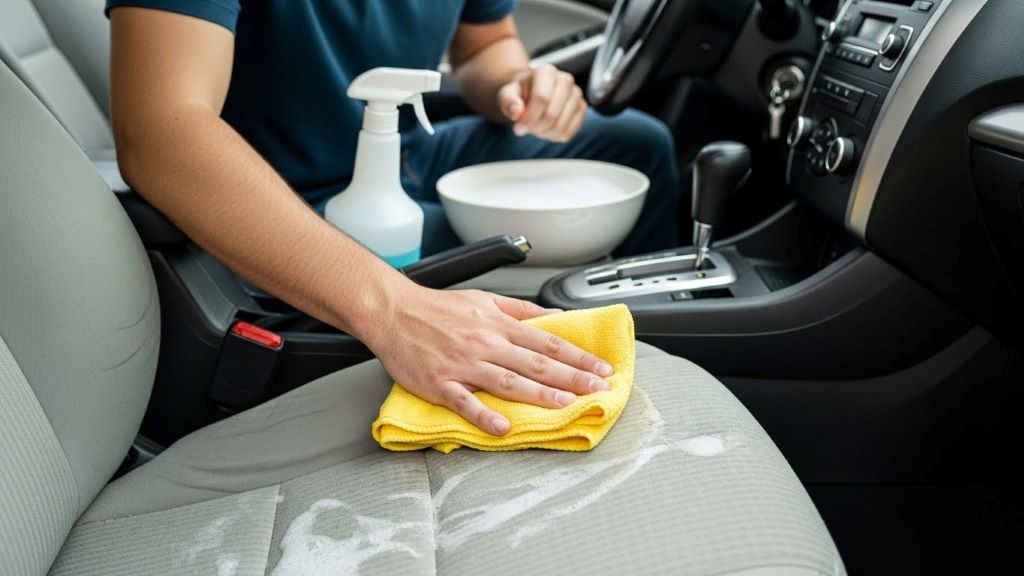
Cloth car seats can harbor dirt, stains, and odors over time. Many people assume they need expensive equipment to restore their seats. However, you can achieve professional-looking results using simple household items. This guide will show you exactly how to clean your cloth car seats effectively without a wet vacuum extractor.
Why Clean Your Car Seats Regularly
Regular cleaning extends the life of your car’s interior. Dirt and grime wear down fabric fibers over time. Additionally, clean seats improve your car’s resale value. Buyers notice interior condition immediately when evaluating a vehicle.
Furthermore, clean seats create a healthier environment. Dust mites, allergens, and bacteria accumulate in fabric upholstery. Therefore, regular cleaning benefits both your car’s appearance and your health.
Gathering Your Cleaning Supplies
Before starting, collect these common household items. You likely already have most of them at home.
You will need a vacuum cleaner with attachments, several microfiber cloths, two spray bottles, a soft-bristled brush, and clean towels. For cleaning solutions, gather mild dish soap, white vinegar, baking soda, and warm water. Optional items include a bucket and rubbing alcohol for stubborn stains.
These simple supplies work together to lift dirt and stains effectively. Moreover, they cost significantly less than renting specialized equipment.
Preparing Your Car Seats for Cleaning
Preparation makes the actual cleaning process much easier. Start by removing all items from your car. Take out floor mats, trash, and personal belongings. This gives you unobstructed access to every seat.
Next, vacuum the seats thoroughly. Use the crevice tool to reach tight spaces between seat cushions. Pay special attention to seams and folds where crumbs accumulate. Additionally, vacuum the seat backs and headrests.
This initial vacuuming removes loose dirt and debris. Consequently, your cleaning solution can focus on embedded stains rather than surface dust.
Creating Effective Homemade Cleaning Solutions
You can make powerful cleaning solutions from kitchen staples. These work as well as commercial products for most stains.
For general cleaning, mix one tablespoon of dish soap with two cups of warm water in a spray bottle. This solution handles everyday dirt and light stains effectively. Alternatively, combine equal parts white vinegar and water for a natural deodorizing cleaner.
For tougher stains, create a paste using three parts baking soda to one part water. This paste works particularly well on grease and oil stains. However, always test any solution on a hidden area first to ensure it does not discolor your fabric.
The Basic Cleaning Process
Now comes the actual cleaning process. This method works for routine maintenance and moderate soiling.
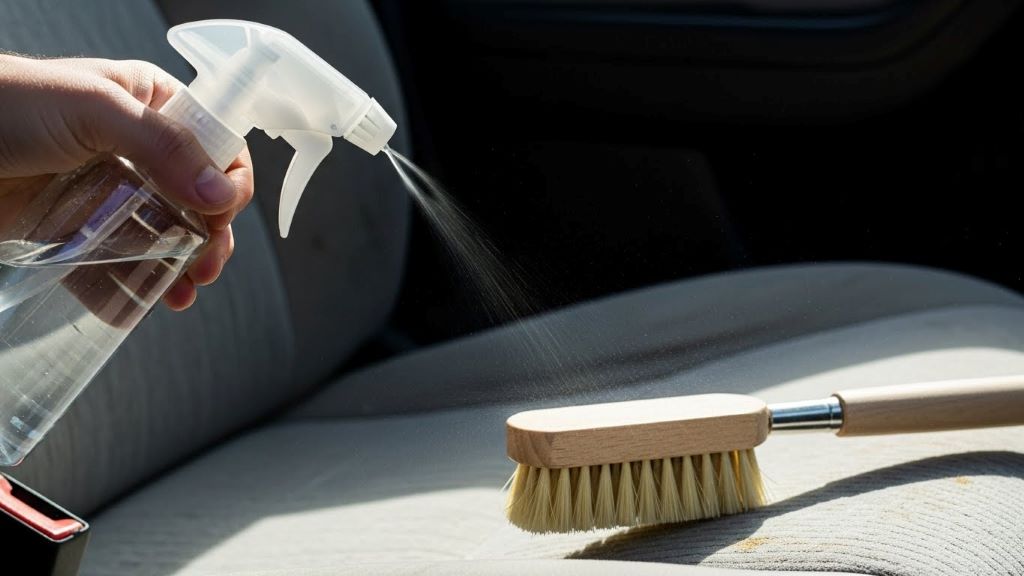
Spray your chosen cleaning solution lightly onto a small section of the seat. Do not saturate the fabric completely. Excess moisture leads to longer drying times and potential mildew growth. Instead, apply enough solution to dampen the surface.
Then, gently scrub the area using your soft-bristled brush in circular motions. Work the solution into the fabric to lift embedded dirt. The brush agitates the fibers without damaging them.
Afterward, use a clean microfiber cloth to blot the area. Press firmly to absorb the dirty cleaning solution. Rinse your cloth frequently in clean water and continue blotting until no more dirt transfers to the cloth. This blotting action replaces the extraction a wet vacuum would provide.
Finally, use dry towels to absorb remaining moisture. Press towels firmly against the cleaned area. Replace them with dry ones as they become damp. This step speeds up drying considerably.
Tackling Stubborn Stains
Some stains require extra attention. Different stains respond to different treatments.
For coffee or juice stains, mix one tablespoon of white vinegar with one tablespoon of dish soap and two cups of warm water. Apply this solution to the stain and let it sit for five minutes. Then scrub gently and blot thoroughly.
Grease stains respond well to baking soda. Sprinkle baking soda directly onto the stain and let it absorb the oil for 15 minutes. Then vacuum up the powder. If residue remains, apply your dish soap solution and scrub gently.
Ink stains need rubbing alcohol. Dab alcohol onto a cloth and blot the stain carefully. Never pour alcohol directly onto the seat. Work from the outside of the stain inward to prevent spreading. According to Consumer Reports, testing cleaning solutions on inconspicuous areas prevents fabric damage and discoloration.
Blood stains require cold water only. Hot water sets protein-based stains permanently. Mix cold water with a small amount of dish soap. Blot the stain repeatedly with this solution until it lifts.
Removing Odors from Cloth Seats
Odors often linger even after visible dirt disappears. Fortunately, simple solutions neutralize smells effectively.
Baking soda works as an excellent odor absorber. After cleaning your seats, sprinkle baking soda liberally over all fabric surfaces. Let it sit for several hours or overnight if possible. The baking soda absorbs moisture and neutralizes odors naturally.
Then, vacuum the seats thoroughly to remove all baking soda residue. Your seats should smell fresh and clean. Additionally, leaving your car windows open during cleaning helps air circulation and speeds drying.
For persistent odors, use a vinegar solution. Mix equal parts white vinegar and water in a spray bottle. Lightly mist the seats and allow them to air dry completely. The vinegar smell dissipates as it dries, taking other odors with it.
Accelerating the Drying Process
Proper drying prevents mildew and musty smells. Several techniques speed up this crucial step.
First, park your car in direct sunlight with windows cracked open. Sunlight naturally disinfects while providing warmth to evaporate moisture. However, avoid this method if temperatures exceed 85 degrees, as extreme heat can damage interiors.
Alternatively, use fans to increase air circulation. Point a portable fan through an open door toward the wet seats. This method works particularly well in garages or covered areas.
If humidity is high, consider using a dehumidifier in your car. This removes moisture from the air and helps seats dry faster. Moreover, you can place moisture-absorbing products like silica gel packets near the seats.
Never close up your car with damp seats inside. Trapped moisture creates perfect conditions for mold growth. Therefore, always ensure seats are completely dry before normal use.
Maintaining Clean Car Seats
Prevention makes future cleaning easier. Simple habits keep your seats looking better longer.
Consider using seat covers for added protection. They shield fabric from spills and wear while remaining easy to wash. Additionally, establish a no-eating rule in your car to prevent food stains.
Vacuum your car seats weekly. This quick maintenance prevents dirt from becoming embedded in fibers. Furthermore, address spills immediately before they set into stains. Keep a small cleaning kit in your trunk for emergencies.
Regular maintenance means deep cleaning becomes necessary less frequently. Consequently, you save time and extend your upholstery’s lifespan.
When to Consider Professional Help
Sometimes DIY methods have limitations. Knowing when to seek professional assistance saves frustration.
Extremely stubborn stains may require professional treatment. If you have tried multiple solutions without success, professionals have access to stronger products and equipment. Additionally, widespread mold or mildew growth warrants professional remediation.
Antique or delicate fabrics also benefit from professional care. These materials require specialized knowledge to clean safely. Therefore, when in doubt about your fabric type, consult an expert.
The Better Business Bureau recommends researching professional cleaners thoroughly before hiring them for specialized upholstery work.
Conclusion
Cleaning cloth car seats without a wet vacuum extractor is entirely achievable. You need only common household supplies and a bit of patience. The key lies in proper technique rather than expensive equipment.
Start with thorough vacuuming to remove loose debris. Create effective cleaning solutions from items you already have at home. Apply solutions sparingly and use blotting techniques to remove moisture and dirt. Address stubborn stains with targeted treatments appropriate for each stain type.
Remember that thorough drying prevents mildew and preserves your cleaning results. Finally, establish regular maintenance habits to keep your seats looking their best. With these methods, you can maintain professional-looking car seats while saving money on equipment and services.
Frequently Asked Questions
How long does it take for car seats to dry after cleaning without a wet vacuum?
Drying typically takes 2 to 8 hours depending on weather conditions and humidity levels. Using fans, opening windows, and parking in sunlight significantly reduce drying time. Ensure seats are completely dry before regular use to prevent mildew growth.
Can I use bleach to clean cloth car seats?
Bleach is not recommended for car seats as it can discolor fabric and weaken fibers. Instead, use gentler alternatives like vinegar, dish soap, or baking soda. These options effectively clean without risking damage to your upholstery.
How often should I deep clean my cloth car seats?
Deep clean your car seats every 3 to 6 months depending on usage. If you have children, pets, or frequently eat in your car, clean more often. Regular vacuuming between deep cleans maintains appearance and prevents dirt buildup.
Will cleaning without a wet vacuum extractor leave soap residue?
Proper blotting technique prevents soap residue. The key is using minimal cleaning solution and thorough blotting with clean, damp cloths. Rinse your blotting cloths frequently and continue until no soap transfers to the cloth.
What is the best homemade solution for general car seat cleaning?
A mixture of one tablespoon dish soap and two cups warm water works excellently for general cleaning. This solution is safe for most fabrics, inexpensive, and effective at removing everyday dirt and light stains without special equipment.
Related Topics:
Why Is Car AC Blowing Warm Air: The Ultimate Guide to Diagnosing and Fixing the Problem
How to Get Gum Out of Car Mat: The Ultimate Guide to a Spotless Interior


