


Removing tint from car windows can refresh your vehicle’s look, improve visibility, or help you comply with local regulations. Whether the tint is peeling, bubbling, or simply outdated, learning how to remove tint from car windows can be done at home with the right tools and techniques. This comprehensive guide will walk you through the process of safely removing window tint, ensuring you achieve professional results without damaging your car’s windows. Optimized for readability and packed with practical tips, this article covers everything you need to know, from preparation to cleanup.
Why Remove Window Tint?
Window tint can fade, bubble, or become discolored over time due to sun exposure, wear, or poor installation. You might also want to remove tint to:
- Comply with local laws: Some regions have strict regulations on window tint darkness.
- Improve visibility: Faded or damaged tint can obstruct your view, especially at night.
- Upgrade aesthetics: A fresh tint or clear windows can enhance your car’s appearance.
- Prepare for resale: Clear windows may appeal to buyers or meet dealership standards.
Whatever your reason, removing window tint requires patience and care to avoid scratching glass or leaving adhesive residue. Below, we’ll explore multiple methods to suit different preferences and tools you may have on hand.
Tools and Materials Needed
Before starting, gather these supplies to make the process smoother:
- Razor blade or utility knife (with a new, sharp blade)
- Spray bottle filled with soapy water (dish soap mixed with water)
- Ammonia-based glass cleaner or household ammonia
- Rubbing alcohol or adhesive remover (e.g., Goo Gone)
- Steamer or hairdryer (optional, for heat-based methods)
- Plastic garbage bags (for the ammonia method)
- Microfiber cloths or soft rags
- Paper towels
- Gloves (to protect your hands)
- Masking tape (optional, for protecting window edges)
- Plastic scraper (to avoid scratching glass)
Having these items ready will streamline the process and help you tackle any challenges that arise.
Method 1: Soap and Scrape Method
The soap and scrape method is one of the simplest and most accessible ways to remove window tint. It works best for older or already peeling tint.
Step 1: Prepare the Area
Park your car in a shaded area to prevent the glass from getting too hot. Roll down the window slightly to access the edge of the tint film. Clean the window with soapy water to remove dirt or debris, which could interfere with the process.
Step 2: Score the Tint
Using a razor blade or utility knife, carefully score a small corner of the tint film to create a starting point. Hold the blade at a 45-degree angle to avoid scratching the glass. If the tint is on a rear window with defroster lines, use a plastic scraper to prevent damage.
Step 3: Peel the Tint
Gently pull the scored corner of the tint film. Peel slowly and steadily to remove as much of the film as possible in one piece. If the tint resists, spray soapy water between the film and the glass to loosen the adhesive. Continue peeling until the entire film is removed.
Step 4: Remove Residual Adhesive
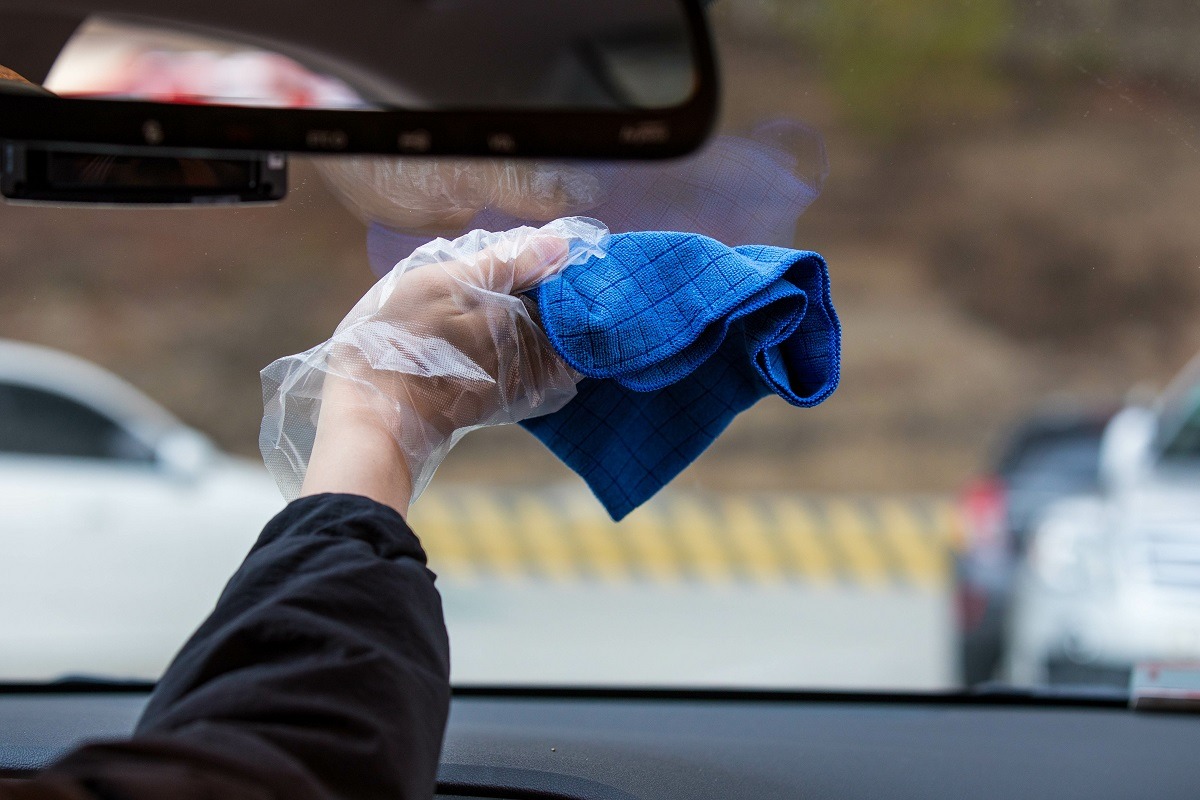
After peeling, you may notice sticky adhesive residue on the glass. Spray the area with soapy water or rubbing alcohol, then use a plastic scraper or your fingernail to gently lift the adhesive. For stubborn spots, apply an adhesive remover like Goo Gone, following the product instructions. Wipe the area clean with a microfiber cloth.
Step 5: Clean the Window
Once the adhesive is gone, clean the window thoroughly with glass cleaner and a microfiber cloth to remove any remaining residue or streaks. Inspect the glass to ensure it’s spotless.
Method 2: Ammonia and Sun Method
The ammonia and sun method is highly effective for stubborn tint, especially on larger windows. This method uses ammonia and heat to weaken the adhesive bond.
Step 1: Prepare the Window
Clean the window with soapy water to remove dirt. Cut two large plastic garbage bags to match the size and shape of the window. Spray one bag with soapy water and stick it to the outside of the window to trap heat.
Step 2: Apply Ammonia
On the inside of the window, spray ammonia-based glass cleaner or diluted household ammonia generously over the tint. Cover the sprayed area with the second plastic garbage bag, pressing it firmly to stick to the window. The plastic bag helps trap the ammonia fumes, which weaken the tint adhesive.
Step 3: Let It Sit
Park your car in direct sunlight for 20–30 minutes. The heat from the sun, combined with the ammonia, will loosen the tint film. If sunlight isn’t available, use a hairdryer or steamer to apply heat to the outside of the window for 10–15 minutes.
Step 4: Peel the Tint
Remove the inner plastic bag and start peeling the tint from one corner. The film should come off easily. If it resists, reapply ammonia and let it sit for another 10 minutes. Peel slowly to avoid tearing the film.
Step 5: Clean Up
Remove any remaining adhesive with rubbing alcohol or adhesive remover. Clean the window with glass cleaner and a microfiber cloth for a streak-free finish.
Method 3: Steamer Method
A fabric steamer is a professional-grade tool for removing window tint quickly and cleanly. This method is ideal if you have access to a steamer.
Step 1: Prepare the Window
Clean the window with soapy water to remove dirt. Ensure the steamer is filled with water and ready to use.
Step 2: Apply Steam
Hold the steamer 1–2 inches from the tint film, starting at one corner. Move the steamer slowly across the window, applying steady heat. The steam will penetrate the film and loosen the adhesive.
Step 3: Peel the Tint
As the adhesive softens, peel the tint film gently from the corner. Work in small sections, applying steam as needed to keep the adhesive pliable. The film should come off in large pieces.
Step 4: Clean the Window
Remove any adhesive residue with rubbing alcohol or adhesive remover. Clean the window thoroughly with glass cleaner and a microfiber cloth.
Tips for Success
- Work slowly: Rushing can lead to torn tint or scratched glass.
- Protect defroster lines: On rear windows, avoid using metal blades near defroster lines to prevent damage.
- Test adhesive removers: Apply a small amount of adhesive remover to an inconspicuous area to ensure it won’t damage your window.
- Stay safe: Wear gloves to protect your hands from sharp tools or chemicals, and work in a well-ventilated area when using ammonia.
- Check local laws: Before applying new tint, research your state or country’s regulations on tint darkness to avoid legal issues.
Common Mistakes to Avoid
- Using a dull blade: A dull razor blade can scratch the glass. Always use a fresh, sharp blade or a plastic scraper.
- Skipping the cleaning step: Dirt or debris can make peeling harder and leave residue.
- Overheating the glass: Excessive heat from a hairdryer or steamer can crack the window. Apply heat gradually and monitor the glass.
- Leaving adhesive residue: Failing to remove all adhesive can make new tint application difficult or cause a hazy appearance.
When to Call a Professional
If the tint is heavily damaged, the adhesive is particularly stubborn, or you’re concerned about damaging defroster lines, consider hiring a professional. Auto shops and tinting specialists have specialized tools and experience to remove tint without harming your vehicle. The cost typically ranges from $50 to $200, depending on the number of windows and the complexity of the job.
How Much is a Side Mirror for a Car? A Comprehensive Guide to Replacement Costs and FAQs
Aftercare: Maintaining Your Windows
Once the tint is removed, keep your windows in top condition:
- Clean regularly with a non-ammonia-based glass cleaner to avoid streaks.
- Inspect for scratches or damage and address them promptly.
- If re-tinting, choose a high-quality film and have it installed by a professional for longevity.
Conclusion
Removing tint from car windows is a manageable DIY project with the right tools and techniques. Whether you choose the soap and scrape, ammonia and sun, or steamer method, patience and attention to detail are key to achieving a clean, professional result. By following this guide, you can restore your car’s windows to their original clarity, improve visibility, and prepare for a fresh tint application if desired. Always check local tinting laws before making changes, and don’t hesitate to seek professional help for challenging cases.
With these steps, you’re ready to tackle window tint removal like a pro. Have you tried any of these methods before, or do you have tips to share? Let us know in the comments!
Read More:
Which Automotive Brands Do You Associate With Motorsports and Racing?
Battling the Drip: Comprehensive Guide to Car Door Seal Water Leak Prevention