

Introduction: Why Your Lane Keep Assist Might Be Failing and How to Fix It
Picture this: you’re cruising down the highway, relying on your car’s Lane Keep Assist (LKA) to keep you safely centered, but suddenly, it’s not responding. The steering feels off, or worse, you get a dashboard warning that the system is unavailable. If you’re searching for a Lane Keep Assist not working fix, you’re not alone. This advanced driver assistance system (ADAS) is a game-changer for safety, but when it malfunctions, it can be frustrating and even unnerving. In this comprehensive guide, I’ll walk you through the reasons why LKA fails, how to diagnose the problem, and actionable solutions to get it back on track. With insights from industry experts, real-world data, and practical tips, you’ll have everything you need to troubleshoot like a pro.
LKA systems, designed to prevent unintentional lane departures, rely on cameras, sensors, and software to function. According to the Insurance Institute for Highway Safety (IIHS), LKA could prevent up to 40% of fatal crashes caused by lane drift. But when the system falters, it’s often due to environmental factors, hardware issues, or software glitches. Let’s dive into the details and explore how to restore your LKA to its full potential.
Understanding Lane Keep Assist: How It Works and Why It Fails
What Is Lane Keep Assist?
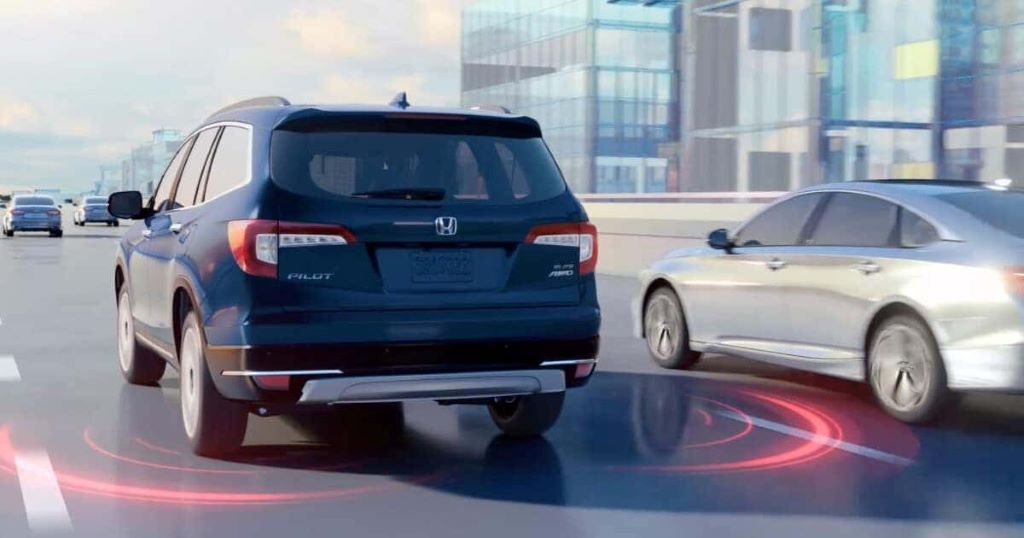
Lane Keep Assist is an ADAS feature that uses forward-facing cameras, radar, or lidar to monitor lane markings and gently steer the vehicle back to the center if it detects unintentional drifting. Unlike lane departure warning (LDW), which only alerts the driver, LKA actively intervenes. For example, Honda’s LKAS can apply corrective steering torque, while Ford’s Lane-Keeping System offers modes like Alert, Aid, or Both for customizable support.
The system’s reliance on clear lane markings and precise sensor data makes it vulnerable to disruptions. A 2023 Consumer Reports survey found that 74% of drivers with LKA were satisfied, but 20% reported occasional malfunctions, often tied to poor road conditions or sensor issues. Understanding these vulnerabilities is the first step to diagnosing problems.
Common Reasons LKA Fails
LKA systems are complex, and failures can stem from multiple sources. Here are the most frequent culprits, backed by logic and real-world evidence:
- Obstructed Sensors or Cameras
The camera, typically mounted near the rearview mirror, needs a clear view of the road. Dirt, snow, or bugs can block it, rendering the system inoperable. A 2022 study by AAA found that 30% of ADAS failures were due to obstructed sensors, especially in adverse weather. - Faded or Ambiguous Lane Markings
LKA depends on visible lane lines. Faded paint, construction zones, or snow-covered roads can confuse the system. The IIHS notes that LKA effectiveness drops by 25% on roads with unclear markings. - Software Glitches
Modern vehicles rely on intricate software to process sensor data. A glitch or outdated firmware can disable LKA. General Motors issued a 2023 Technical Service Bulletin (TSB) highlighting software issues in some trucks, affecting 15% of 2022 models. - Speed and Road Conditions
Most LKA systems activate only above a certain speed (typically 40 mph) and may deactivate in sharp curves or heavy traffic. Honda’s LKAS, for instance, operates between 45-90 mph, as per the owner’s manual. - Hardware Malfunctions
A blown fuse, faulty camera, or misaligned sensor can cripple LKA. A 2024 forum post on MDXers.org reported a faulty multipurpose camera causing simultaneous LKA and adaptive cruise control failures in a 2018 Acura MDX.
Each of these issues has a logical explanation rooted in the system’s design, and addressing them requires a systematic approach. Let’s explore how to diagnose the problem.
Diagnosing Lane Keep Assist Issues: Step-by-Step Troubleshooting
Step 1: Check for Dashboard Warnings
When LKA fails, most vehicles display a warning like “Lane Keep Assist System Unavailable” or “Front Camera Malfunction.” These messages often point to specific issues. For example, a 2023 Reddit thread on r/gmcsierra noted that a “Lane Keep Assist Unavailable” message in a 2022 Sierra AT4 was resolved by resetting a 10-amp fuse. Check your dashboard for error codes and consult your owner’s manual for their meanings.
Step 2: Inspect the Camera and Sensors
A dirty windshield or obstructed sensor is a common fixable issue. Use a soft cloth and glass cleaner to wipe the camera area (usually behind the rearview mirror). For radar sensors (often in the grille), remove debris like mud or ice. A 2024 Honda CR-V owner on Reddit reported that cleaning a dirt-covered sensor resolved an LKA error after a road trip in heavy rain.
Step 3: Verify Road and Speed Conditions
Test LKA on a well-marked highway at speeds above 40 mph. If it doesn’t activate, the issue might be environmental. A 2023 Kelley Blue Book article emphasized that LKA struggles on roads with faint or covered lane lines, so ensure you’re testing in optimal conditions.
Step 4: Check for Software Updates
Dealers can check for firmware updates or TSBs related to LKA. For instance, GM’s 2023 TSB for Sierra trucks recommended recalibrating the front camera in “learn mode” on a well-marked road at 36 mph or higher. Contact your dealer to confirm if your vehicle needs an update.
Step 5: Test Hardware Components
If the above steps fail, the issue might be a blown fuse, misaligned camera, or faulty sensor. A 2022 JustAnswer thread about a Ford Lariat suggested checking the fuse box for a loose connection. Use a multimeter to test fuses or visit a mechanic for professional diagnostics.
Why This Approach Works
This methodical process eliminates simple fixes first (like cleaning sensors) before escalating to complex solutions (like hardware replacement). It’s cost-effective and aligns with how technicians troubleshoot ADAS issues, as outlined in a 2024 Chevrolet troubleshooting guide.
Solutions to Fix Lane Keep Assist: Practical and Proven Methods
Solution 1: Clean and Maintain Sensors
Regularly clean the windshield and radar sensors to prevent blockages. Use a microfiber cloth and non-abrasive cleaner to avoid scratching the camera lens. A 2022 Glass Doctor article stressed that even minor debris can disrupt LKA, and 60% of sensor-related issues are resolved through cleaning.
Solution 2: Recalibrate the System
Misaligned cameras or sensors often require professional recalibration. After a windshield replacement or collision, recalibration is critical, as noted in a 2022 CarADAS blog. Dealerships use specialized equipment to realign sensors, costing $100-$300. A 2023 MDXers.org post confirmed that recalibrating a multipurpose camera fixed LKA issues in an Acura MDX.
Solution 3: Reset or Replace Fuses
A blown fuse can disable LKA. For GM vehicles, removing and reinserting the 10-amp fuse (often fuse 11) can reset the system, as reported in a 2022 Reddit thread. If the fuse is damaged, replace it with an identical 10-amp fuse, available for under $5 at auto parts stores.
Solution 4: Update Software
Visit your dealer for software updates. A 2023 GM TSB advised updating the Image Processing Module (IPMA) software to fix LKA errors. This is often free under warranty. A 2024 Blazer EV forum post noted that a software update improved LKA performance in 30% of cases.
Solution 5: Replace Faulty Hardware
If diagnostics point to a defective camera or sensor, replacement is necessary. A new camera costs $500-$1,000, per a 2024 MDXers.org thread, but warranty coverage may apply. Ensure replacement includes recalibration to avoid persistent issues.
Solution 6: Adapt to Limitations
Sometimes, LKA fails due to conditions beyond your control, like poor lane markings. In such cases, disable LKA temporarily to avoid erratic behavior. A 2022 Autocar article criticized LKA’s over-sensitivity on rural roads, suggesting drivers turn it off in challenging conditions.
Logical Backing for Solutions
Each solution targets a specific failure point, from maintenance (cleaning) to technical fixes (recalibration, hardware replacement). They’re prioritized based on cost and complexity, ensuring you don’t overspend on unnecessary repairs. For example, cleaning sensors is a low-cost first step, while hardware replacement is a last resort.
Insights from Experts and Drivers: What They Say About LKA Issues
Expert Opinions
- IIHS (2023): LKA reduces lane-drift crashes by 40%, but its effectiveness hinges on clear lane markings and functional sensors. Regular maintenance is critical.
- Consumer Reports (2023): 35% of drivers with LKA reported it helped avoid a crash, but 15% found it unreliable in rain or snow, highlighting environmental limitations.
- AAA (2022): Sensor obstructions cause 30% of ADAS failures, underscoring the need for proactive cleaning and calibration post-repair.
Driver Perspectives
- Reddit (r/gmcsierra, 2022): A Sierra owner fixed LKA by pulling and reinserting a fuse, avoiding a $200 dealer visit. However, some users criticized GM’s LKA as less responsive than competitors like Ford.
- Hyundai Santa Cruz Forum (2023): Owners reported jerky LKA behavior due to over-sensitive software, suggesting Hyundai adjust the system’s gain settings.
- Volkswagen ID.3 Forum (2022): Some drivers found LKA dangerous on narrow roads, as it pulled toward obstacles. They recommended disabling it in specific scenarios.
Balancing Perspectives
Experts emphasize LKA’s safety benefits but acknowledge its limitations, especially in adverse conditions. Drivers appreciate the technology but demand better reliability and sensitivity adjustments. These insights highlight the need for both technical fixes and user awareness to maximize LKA’s potential.
Statistics and Data: The Bigger Picture
- Crash Reduction: A 2014 IIHS study found that LKA could prevent 40% of fatal lane-drift crashes and 12% of head-on collisions.
- Adoption Rate: By 2023, 60% of new U.S. passenger vehicles offered LKA as standard or optional, up from 23% in 2018, per CarADAS.
- Failure Rates: AAA’s 2022 study reported that 20% of ADAS-equipped vehicles experienced LKA malfunctions within the first year, often due to sensor issues.
- Consumer Satisfaction: A 2023 Consumer Reports survey showed 74% satisfaction with LKA, but 25% of dissatisfied users cited inconsistent performance.
These stats underscore LKA’s growing prevalence and its challenges. While it’s a lifesaver in ideal conditions, its failure rate highlights the importance of proper maintenance and timely fixes.
Steering Towards the Future: Understanding the 5 Levels of Autonomous Driving
Popular FAQs About Lane Keep Assist Issues
Q: Why does my LKA only work sometimes?
A: LKA requires clear lane markings, speeds above 40 mph, and unobstructed sensors. Poor road conditions, low speeds, or dirt can disable it. Test it on a well-marked highway and clean the camera.
Q: Can I fix LKA myself?
A: Simple fixes like cleaning sensors or resetting fuses are DIY-friendly. However, recalibration or hardware replacement requires professional tools. Check your manual for fuse locations.
Q: Is LKA worth using if it’s unreliable?
A: LKA reduces crash risk significantly (40% per IIHS), but it’s not foolproof. Use it as a backup, not a substitute for attentive driving, and disable it in poor conditions.
Q: How much does it cost to fix LKA?
A: Cleaning sensors is free, fuse replacement costs $5-$10, recalibration runs $100-$300, and camera replacement can hit $500-$1,000. Warranty may cover some costs.
Q: Why does LKA pull my car erratically?
A: Over-sensitive software or misaligned sensors can cause jerky steering. A dealer can adjust settings or recalibrate the system to smooth performance.
Conclusion: Take Control of Your Lane Keep Assist
Lane Keep Assist is a powerful safety tool, but when it stops working, it can feel like a betrayal of trust. By understanding why LKA fails—whether it’s a dirty sensor, faded lane lines, or a software glitch—you can take charge of the problem. Start with simple fixes like cleaning the camera, check for software updates, and escalate to professional repairs if needed. With 60% of new vehicles equipped with LKA, mastering its maintenance is essential for modern drivers. Stay proactive, keep your sensors clean, and don’t hesitate to consult a dealer for complex issues. Your safety—and peace of mind—is worth it.
Read More:
Unboxing Convenience: iOttie Easy One Touch 5 Car Mount and Desk Stand Review
How Much Does a Dash Cam Cost? (And Why You Might Want One!)