
Garage doors protect homes, improve curb appeal, and support daily convenience. However, many homeowners in Chicago deal with crooked or uneven garage doors because of harsh weather and constant usage. According to the U.S. Department of Energy, garages can affect up to 30% of a home’s energy efficiency when doors fail to seal correctly. In addition, industry reports show that garage door misalignment is one of the most common repair issues in colder regions. Many property owners search for an uneven garage door fix after noticing gaps, unusual noises, or slow movement. Understanding the causes behind crooked garage doors can help Chicago homeowners avoid larger repair costs and safety risks.
Understanding Why Garage Doors Become Crooked
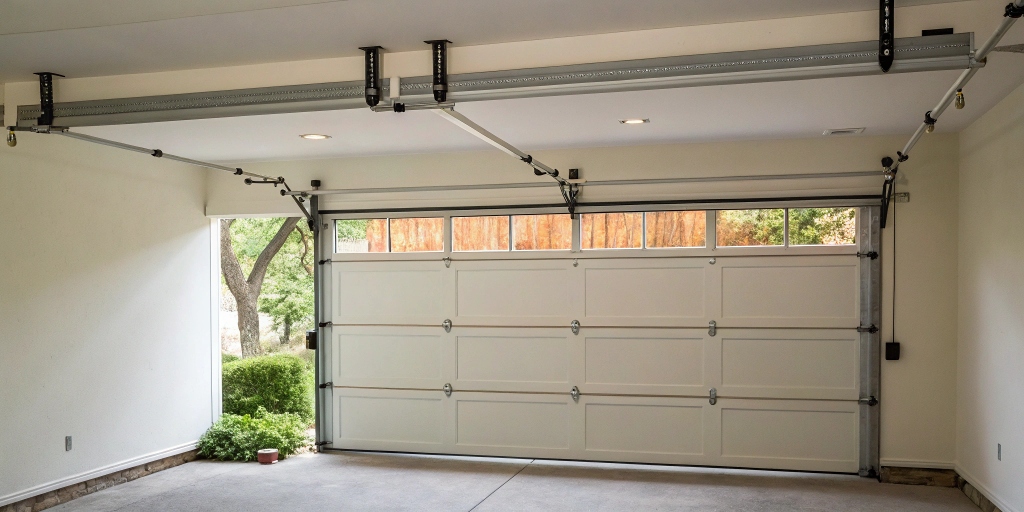
Garage doors depend on several connected parts working together smoothly. When one component shifts or wears out, the entire system may lean to one side. Chicago weather also adds pressure because freezing temperatures, moisture, and wind affect metal and wood parts over time. As a result, homeowners often notice uneven movement during seasonal changes.
Crooked garage doors usually start with small alignment issues. However, these minor problems become larger if ignored for too long. Tracks may bend slowly, springs may weaken unevenly, or rollers may wear at different speeds. Consequently, the garage door may stop closing evenly or create visible gaps along the floor.
Many garage doors in Chicago face extra stress because of frequent use during winter months. Snow, road salt, and freezing rain often increase wear on mechanical systems. Furthermore, temperature changes can cause metal tracks to expand and contract repeatedly. This constant movement can slowly pull the door out of alignment.
Common Causes of Crooked Garage Doors
Damaged or Bent Tracks
Garage door tracks guide the door during opening and closing cycles. If tracks bend or loosen, the door may shift sideways and become uneven. Chicago homeowners often experience track damage because of accidental vehicle bumps or ice buildup near the garage entrance. Even a slight bend can create serious alignment problems over time.
Loose track brackets also contribute to crooked movement. Vibrations from daily use may slowly loosen mounting hardware attached to the wall. As a result, one side of the garage door may rise faster than the other side. This uneven motion places extra strain on rollers and springs.
Rust is another major issue in Chicago garages. Moisture from snow and rain often collects along metal components during winter. Therefore, tracks may corrode and lose structural stability after years of exposure. Regular inspections help prevent rust-related alignment problems before they worsen.
Worn or Broken Springs
Garage door springs control balance and lifting force. When one spring weakens or breaks, the door may tilt or sag immediately. Torsion springs usually wear out after thousands of opening cycles, especially in busy households. Consequently, uneven tension develops and causes crooked movement.
Chicago’s cold weather also affects spring performance. Low temperatures can make metal components more brittle during winter months. Therefore, older springs may snap suddenly during freezing conditions. A broken spring creates dangerous pressure imbalance and should never be ignored.
Homeowners sometimes overlook early signs of spring wear. Loud snapping sounds, uneven lifting speed, or jerking movement often signal spring problems. Additionally, the garage door may feel heavier when opened manually. Prompt repair helps prevent more expensive structural damage.
Roller and Cable Problems
Rollers help garage doors move smoothly along the tracks. However, worn rollers may stick or wobble during operation. This problem often causes one side of the garage door to move slower than the other side. As a result, the door begins leaning unevenly.
Garage door cables also play an important role in balance. If one cable frays or slips from the drum, the door may suddenly become crooked. Chicago homeowners frequently face cable wear because of moisture and road salt exposure. Corrosion weakens cable strands and increases the risk of snapping.
Ignoring roller or cable damage can create major safety hazards. A severely crooked garage door may fall unexpectedly or jam halfway open. Therefore, regular maintenance remains essential for safe operation. Professional inspections often catch small issues before they become emergencies.
How Chicago Weather Impacts Garage Door Alignment
Freezing Temperatures and Ice Buildup
Chicago winters create harsh conditions for garage door systems. Ice often forms along the bottom seal and around track areas. When homeowners force frozen doors open, tracks and rollers may shift out of alignment. Consequently, the garage door may begin moving unevenly.
Temperature swings also affect garage door materials. Metal parts expand during warmer periods and contract during freezing weather. This constant stress weakens bolts, brackets, and track positioning over time. Therefore, alignment problems become more common during seasonal transitions.
Snow accumulation near the garage entrance can also block smooth door movement. Uneven pressure against the bottom section may twist the door slightly during operation. Repeated strain eventually causes noticeable crooked positioning. Proper snow removal helps reduce this risk.
Humidity and Moisture Damage
Chicago experiences high humidity during warmer months. Moisture exposure can affect both wooden and metal garage doors differently. Wooden doors may warp and shift shape because of water absorption. Meanwhile, metal components may rust and weaken gradually.
Water damage often affects garage door balance systems. Rusted hinges, cables, and springs may lose flexibility and strength. As a result, the door no longer distributes weight evenly during movement. Crooked operation becomes more likely after prolonged moisture exposure.
Poor garage ventilation can make moisture problems even worse. Condensation may build up inside garages during seasonal weather changes. Therefore, homeowners should monitor humidity levels and maintain proper airflow. Preventive care reduces long-term structural damage.
Warning Signs of a Crooked Garage Door
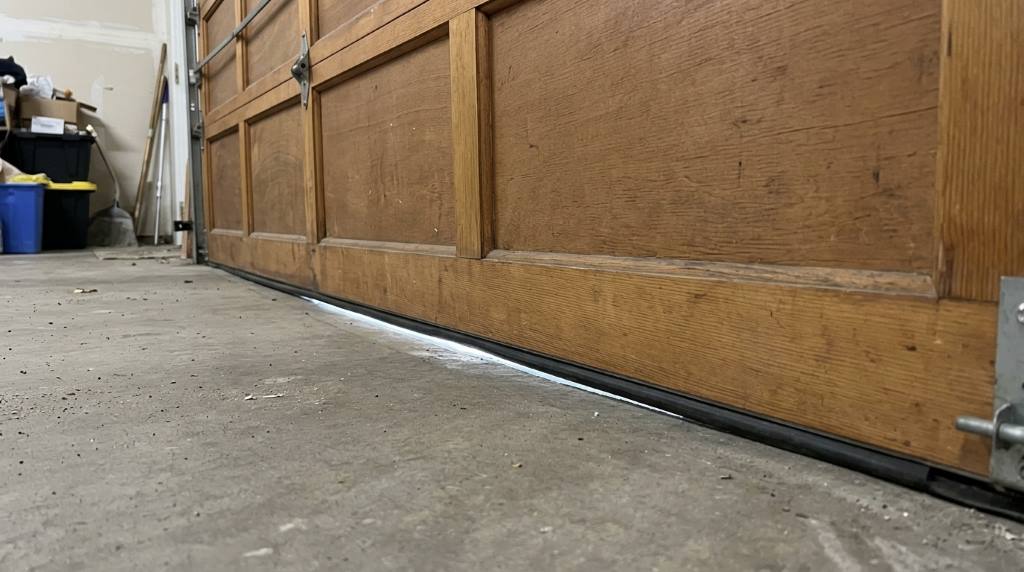
Crooked garage doors usually show several early warning signs. Homeowners often notice uneven gaps along the bottom seal first. One side of the door may touch the ground while the opposite side remains elevated. This issue allows cold air, pests, and moisture to enter the garage.
Strange noises also indicate alignment problems. Grinding, scraping, or popping sounds often happen when rollers struggle against bent tracks. Additionally, the garage door may shake or jerk during movement. Smooth operation should always remain quiet and steady.
Another common warning sign involves slow or uneven opening speed. One side of the garage door may lift higher before the other side catches up. Consequently, the door appears tilted during operation. Ignoring this issue may eventually damage the opener motor.
Homeowners should also watch for visible hardware damage. Loose brackets, frayed cables, or rusted tracks often signal deeper alignment problems. Early inspections help identify these warning signs before costly repairs become necessary. Preventive maintenance saves both time and money.
How to Correct a Crooked Garage Door
Inspect the Tracks Carefully
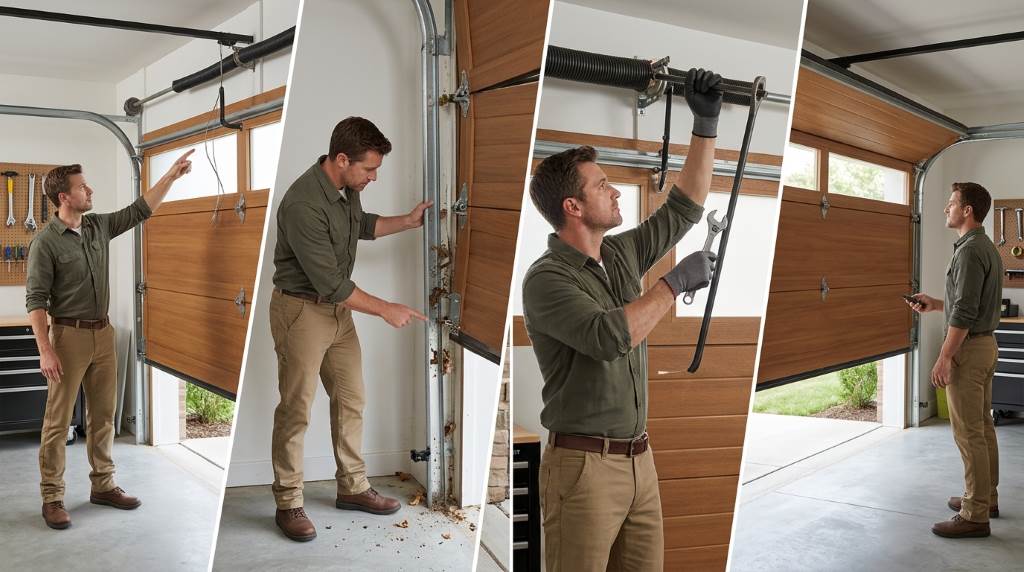
Start by examining both garage door tracks closely. Look for bends, loose brackets, or visible gaps between the track and wall. Small alignment issues may sometimes be corrected by tightening hardware carefully. However, severe bends usually require replacement.
Always disconnect the garage door opener before inspection. This step prevents accidental movement while checking components. Use a level to verify that tracks remain straight and evenly positioned. Accurate alignment helps restore balanced door movement.
If rust appears along the tracks, clean the area thoroughly. Mild corrosion can often be removed with a wire brush and lubricant. Nevertheless, heavily damaged tracks should be replaced immediately. Proper track condition remains essential for safe operation.
Replace Worn Rollers and Cables
Damaged rollers often create uneven movement problems. Nylon rollers usually operate more quietly and resist rust better than metal versions. Therefore, many Chicago homeowners upgrade roller systems during repairs. Replacing worn rollers improves smoother and more balanced operation.
Garage door cables should also receive careful attention. Frayed or corroded cables create serious safety risks during daily use. Because cables hold high tension, professional replacement remains the safest option. Incorrect handling can cause severe injury.
Routine lubrication also helps extend roller and cable lifespan. Apply garage door lubricant to moving components every few months. This simple step reduces friction and prevents premature wear. Consistent maintenance keeps the door operating evenly.
Adjust Spring Tension Properly
Garage door springs control balance throughout the lifting process. Uneven spring tension commonly causes crooked movement and sagging. However, spring adjustments require specialized tools and technical knowledge. Therefore, homeowners should avoid handling torsion springs without training.
Professional technicians can measure spring balance accurately. They adjust tension carefully to ensure both sides lift evenly. Balanced springs reduce stress on the opener motor and track system. Consequently, the entire garage door operates more efficiently.
Replacing old springs in pairs also improves long-term performance. Even if only one spring breaks, the second spring likely carries similar wear. Installing matched springs helps maintain balanced operation. This approach reduces future alignment issues.
Related:
How to Install a Car Creeper in Your Garage Workshop
Garage Door Headroom: Measurements and Minimum Clearance
Preventive Maintenance Tips for Chicago Homeowners
Preventive care remains the best defense against crooked garage doors. Homeowners should inspect tracks, rollers, and cables at least twice each year. Seasonal maintenance becomes especially important before winter arrives. Early repairs help prevent emergency breakdowns during freezing weather.
Keep garage door tracks clean throughout the year. Dirt, road salt, and debris often collect along lower track sections. Regular cleaning reduces friction and protects moving components from unnecessary wear. Smooth tracks improve balanced movement.
Lubricating moving parts also supports proper alignment. Apply lubricant to hinges, rollers, springs, and bearings every few months. Avoid using heavy grease because it attracts dirt and debris. Instead, choose products designed specifically for garage door systems.
Weather seals deserve attention as well. Damaged bottom seals may allow moisture and cold air to enter the garage. Consequently, internal components face higher exposure to rust and corrosion. Replacing worn seals improves protection during Chicago winters.
Professional inspections provide additional long-term benefits. Technicians can identify hidden issues before visible damage appears. Annual tune-ups often extend garage door lifespan significantly. Preventive service also reduces unexpected repair expenses.
When to Call a Professional Garage Door Technician
Some garage door issues require immediate professional assistance. Broken springs, snapped cables, or severe track damage create dangerous conditions. Attempting DIY repairs in these situations may lead to serious injuries. Therefore, homeowners should contact qualified technicians promptly.
Garage doors contain heavy moving components under extreme tension. Incorrect adjustments may worsen alignment problems instead of fixing them. Professional technicians use specialized tools and safety procedures during repairs. Their expertise helps restore safe operation efficiently.
Chicago homeowners should also seek help if the garage door becomes stuck halfway. Uneven movement may indicate major balance failure or opener damage. Continuing to operate the door can strain the entire system further. Fast professional repairs help prevent additional costs.
Choosing an experienced local company also matters. Technicians familiar with Chicago weather understand common regional garage door issues. They can recommend durable parts suited for freezing temperatures and moisture exposure. Local expertise improves long-term repair results.
Benefits of Fixing a Crooked Garage Door Quickly
Correcting garage door alignment problems early provides several important benefits. Balanced doors operate more smoothly and place less strain on openers. Consequently, homeowners often avoid expensive motor replacements. Faster repairs also reduce long-term maintenance costs.
Proper alignment improves home security as well. Crooked garage doors may leave gaps that allow intruders easier access. Additionally, uneven doors often fail to seal correctly against weather conditions. Restoring alignment improves both safety and energy efficiency.
A straight garage door also enhances curb appeal. Uneven doors create an unattractive appearance that affects property value. Potential buyers often notice garage door condition immediately. Therefore, timely repairs support better home presentation.
Energy savings represent another major advantage. Properly aligned garage doors seal tightly against outdoor temperatures. This barrier helps reduce heating loss during Chicago winters. Improved insulation may lower monthly utility expenses over time.
Conclusion
Crooked garage doors develop for many reasons, especially in a city like Chicago where extreme weather affects mechanical systems constantly. Bent tracks, worn springs, damaged rollers, and moisture exposure all contribute to uneven operation over time. Fortunately, early inspections and routine maintenance can prevent many serious alignment problems before they become costly repairs. Homeowners who respond quickly often avoid major structural damage and improve overall garage door performance.
If your garage door looks uneven, makes strange noises, or struggles to open smoothly, do not wait for the problem to worsen. Contact a trusted garage door professional in Chicago for a complete inspection and repair solution. Fast action helps protect your home, improve safety, and extend the lifespan of your garage door system.
FAQs
Why does my garage door look uneven when opening?
Uneven opening usually happens because of worn springs, damaged tracks, or broken cables.
Can cold Chicago weather damage garage door alignment?
Yes, freezing temperatures and moisture can weaken tracks, springs, and rollers over time.
Is it safe to fix garage door springs myself?
No, garage door springs hold high tension and require professional handling for safety.
How often should I inspect my garage door?
Homeowners should inspect garage doors at least twice each year for maintenance issues.
What happens if I ignore a crooked garage door?
Ignoring the problem can lead to expensive repairs, opener damage, and serious safety risks.