

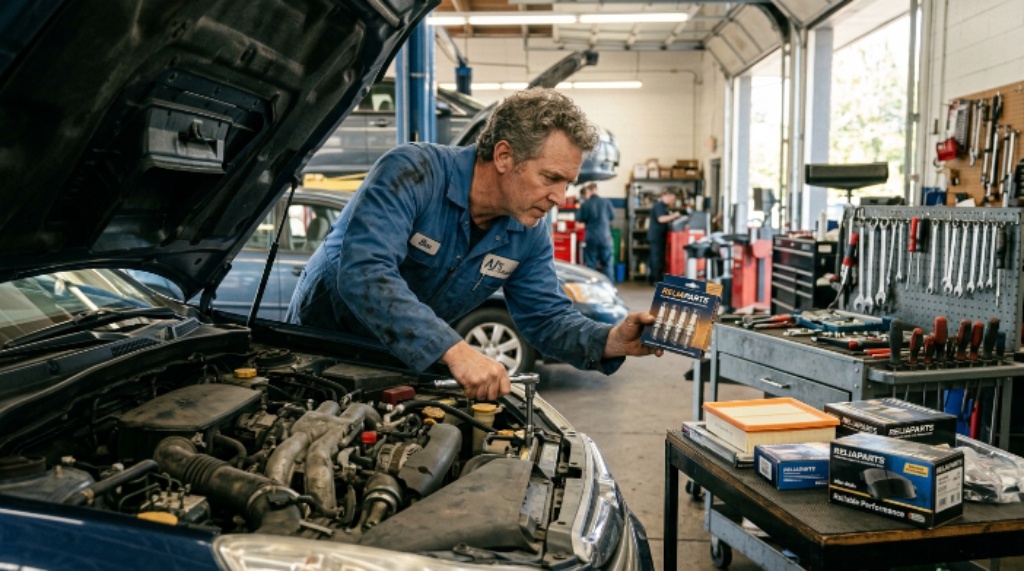
The best way to save money on car repairs without compromising quality is to prevent expensive failures through regular maintenance, compare repair estimates, and replace only the parts that truly need replacement. Smart planning, trusted repair shops, and timely service help reduce long term costs while keeping your vehicle safe and reliable.
Car repair expenses continue rising because vehicles use more advanced technology and electronic systems. Meanwhile, the average vehicle stays on the road much longer than before, making preventive maintenance more valuable than ever.
Why Smart Car Maintenance Saves More Money
Many drivers believe skipping maintenance saves money. However, delayed service usually creates larger repair bills later.
Routine inspections catch small problems before they become expensive failures. Therefore, preventive care remains the cheapest repair strategy.
Replacing worn components early often protects surrounding parts from damage. Consequently, one affordable repair prevents several costly replacements.
Good maintenance also improves fuel efficiency and extends engine life. Better vehicle performance creates additional savings throughout ownership.
Create a Simple Maintenance Schedule
Following your maintenance schedule prevents unexpected breakdowns. Most major repairs begin with ignored maintenance items.
Check your owner’s manual for recommended service intervals. Every manufacturer designs maintenance around specific vehicle components.
Focus on these essential maintenance tasks:
- Change engine oil on schedule.
- Replace dirty air filters.
- Rotate tires regularly.
- Check brake pads frequently.
- Inspect battery condition.
- Monitor coolant levels.
- Replace worn windshield wipers.
- Test lights every month.
Consistent maintenance costs less than emergency repairs. Small investments protect expensive systems.
Never Ignore Warning Signs
Modern vehicles provide early warnings before serious failures occur. Paying attention saves significant repair costs.
Listen for unusual noises during driving. New sounds often indicate developing mechanical problems.
Watch for warning lights immediately after startup. Ignoring dashboard alerts frequently increases repair expenses.
Notice changes in steering, braking, or acceleration. Quick diagnosis prevents additional damage.
Pay attention to fluid leaks beneath your vehicle. Even minor leaks deserve professional inspection.
Compare Repair Estimates Carefully
Always request estimates from multiple repair shops. Price differences can be surprisingly large for identical work.
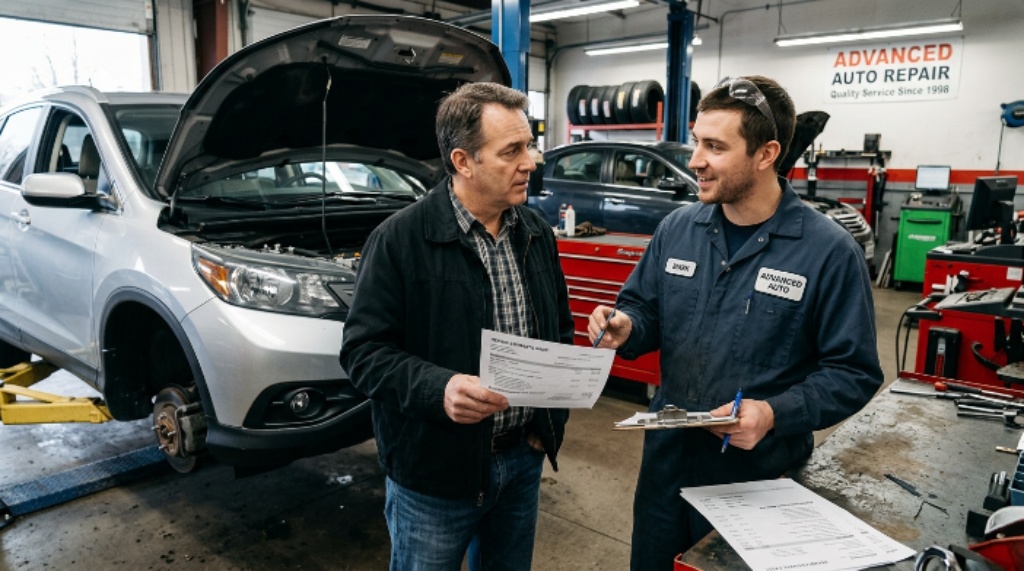
Ask every shop for written estimates before approving repairs. Written documentation reduces misunderstandings later.
Compare labor charges and replacement parts separately. Lower prices should never sacrifice quality workmanship.
Choose shops explaining repairs clearly without pressure. Honest communication usually reflects professional service.
Find a Trustworthy Repair Shop
Selecting the right mechanic saves money over many years. Quality workmanship reduces repeat repairs.
Look for technicians with recognized professional certifications. Proper training improves repair accuracy.
Read recent customer reviews before scheduling appointments. Consistent positive experiences indicate reliable service.
Ask friends and family about trusted local repair shops. Personal recommendations often provide dependable choices.
Stay with one reliable shop whenever possible. Familiar mechanics understand your vehicle history better.
Questions to Ask Before Approving Repairs
Good repair shops welcome informed customers. Asking questions protects your budget.
Consider asking these questions:
- What caused this problem?
- Is immediate repair necessary?
- Which parts require replacement?
- Can any parts remain safely usable?
- Does the estimate include labor?
- How long should repairs last?
Clear answers help you make confident financial decisions.
Understand Replacement Part Options
Not every repair requires the most expensive component. Several quality choices often exist.
Original equipment parts match manufacturer specifications exactly. These parts generally provide consistent performance.
Quality aftermarket parts frequently deliver excellent value. Many reputable manufacturers produce dependable alternatives.
Remanufactured components reduce costs for certain repairs. Professional rebuilding restores many parts successfully.
Discuss available options before authorizing repairs. Your mechanic should explain advantages honestly.
Handle Simple Maintenance Yourself
Basic maintenance requires little experience or specialized equipment. Learning simple tasks creates meaningful savings.
Replace windshield wipers when visibility declines. Installation usually takes only minutes.
Install new cabin air filters regularly. Clean filters improve interior air quality.
Check tire pressure every month. Proper inflation improves safety and fuel economy.
Replace burned out bulbs promptly. Simple lighting repairs prevent unnecessary service visits.
Avoid complicated repairs without proper knowledge. Incorrect repairs often increase future expenses.
Avoid Emergency Repairs
Emergency breakdowns usually cost more than scheduled repairs. Planning reduces unnecessary stress and expenses.
Schedule inspections before long road trips. Early preparation prevents roadside failures.
Repair small issues before they become emergencies. Minor problems rarely fix themselves.
Keep emergency savings specifically for vehicle maintenance. Financial preparation reduces difficult decisions.
Service your vehicle before seasonal weather changes. Extreme temperatures increase mechanical stress.
Protect Expensive Vehicle Systems
Certain components cost thousands to replace. Protecting them provides excellent financial value.
Change transmission fluid according to recommendations. Clean fluid reduces internal wear.
Maintain cooling system performance consistently. Proper temperatures protect the engine.
Replace brake fluid when recommended. Fresh fluid supports reliable braking performance.
Inspect suspension components during regular service visits. Early detection limits additional damage.
Keep Detailed Repair Records
Maintenance records provide several financial advantages. Organized documentation supports smarter ownership decisions.
Track every repair and inspection date carefully. Complete records simplify future maintenance planning.
Save receipts for all replacement parts. Documentation helps verify warranty coverage.
Maintenance history increases resale value. Buyers appreciate well documented vehicle care.
Review repair history before approving additional work. Previous repairs sometimes reveal recurring issues.
Buy Quality Tires Instead of Cheap Ones
Tires influence safety, fuel economy, and maintenance costs. Better tires often reduce overall ownership expenses.
Maintain correct tire pressure throughout the year. Proper inflation slows tread wear.
Rotate tires at recommended intervals consistently. Even wear extends tire life.
Check wheel alignment after hitting major potholes. Correct alignment protects suspension components.
Replace tires before tread becomes dangerously low. Safe tires reduce accident risks and repair costs.
Avoid Common Money Wasting Mistakes
Many repair bills result from preventable decisions. Avoiding these mistakes saves considerable money.
Common mistakes include:
- Ignoring warning lights.
- Delaying scheduled maintenance.
- Choosing only the cheapest estimate.
- Skipping regular inspections.
- Using incorrect vehicle fluids.
- Forgetting tire maintenance.
- Approving unnecessary repairs.
- Waiting until breakdowns occur.
Better habits reduce repair frequency over time.
Know When Repairs Make Financial Sense
Some repairs extend vehicle life significantly. Others exceed practical ownership value.
Compare repair costs with your vehicle’s condition. Age alone should not determine replacement decisions.
Consider overall reliability before making large investments. A dependable vehicle may justify major repairs.
Evaluate future maintenance needs realistically. Planned ownership affects repair decisions.
Avoid replacing vehicles because of one repair alone. Careful analysis prevents expensive mistakes.
Build Long Term Savings Habits
Saving money on car repairs depends on consistent decisions. Good habits deliver better results every year.
Drive smoothly whenever possible. Gentle driving reduces mechanical wear.
Avoid carrying unnecessary weight regularly. Lighter vehicles consume less fuel and experience less stress.
Wash your vehicle frequently during harsh weather. Clean surfaces resist corrosion longer.
Inspect your vehicle monthly for visible problems. Early detection always costs less than major repairs.
Conclusion
Saving money on car repairs does not require sacrificing quality. Regular maintenance, trusted repair professionals, careful estimates, and informed decisions protect both your vehicle and your wallet. Start following these practical habits today, and you will enjoy fewer breakdowns, lower repair bills, and a more reliable vehicle for years to come.
FAQ
How can I reduce car repair costs?
Follow your maintenance schedule, compare repair estimates, and fix small problems before they become major repairs.
Should I always choose the cheapest repair shop?
No, choose a shop that offers fair pricing, quality workmanship, and a strong reputation.
Are aftermarket parts reliable?
Yes, many high quality aftermarket parts provide dependable performance when purchased from reputable manufacturers.
How often should I inspect my car?
A quick monthly inspection helps identify developing problems before they become expensive repairs.
Does preventive maintenance really save money?
Yes, regular maintenance usually costs much less than repairing major mechanical failures caused by neglect.


