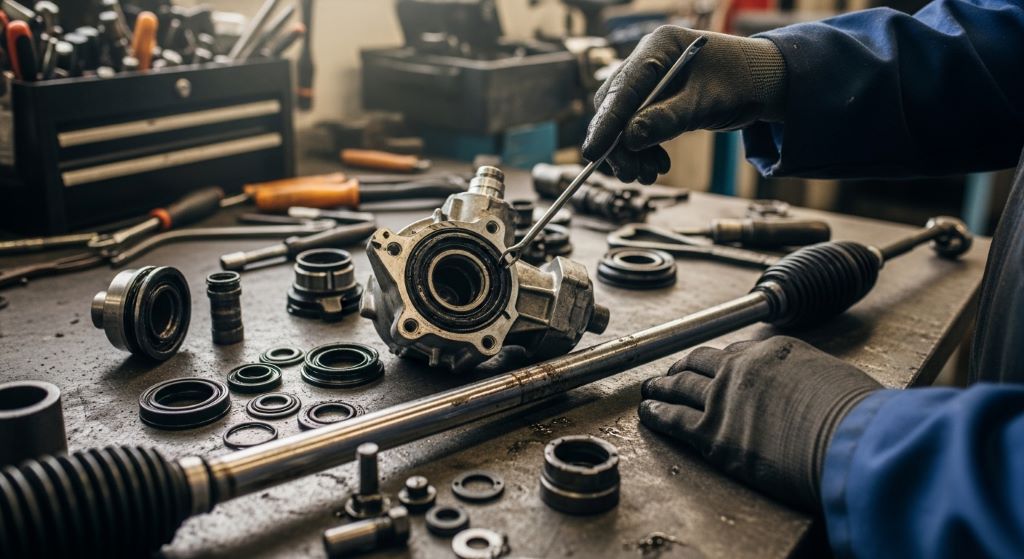

Chicago drivers depend on reliable steering systems every day, especially with heavy traffic and seasonal weather changes. Studies show that nearly 30% of vehicle control issues relate to steering or suspension components, making awareness essential for safety. Many car owners also overlook small signs that later turn into expensive repairs. While learning broader maintenance tips, some drivers explore a helpful steering wheel horn repair guide to fix basic issues early. However, steering wheel components involve much more than the horn alone. Understanding these systems helps you prevent failures and maintain smooth control on Chicago roads.
Understanding Steering Wheel Components
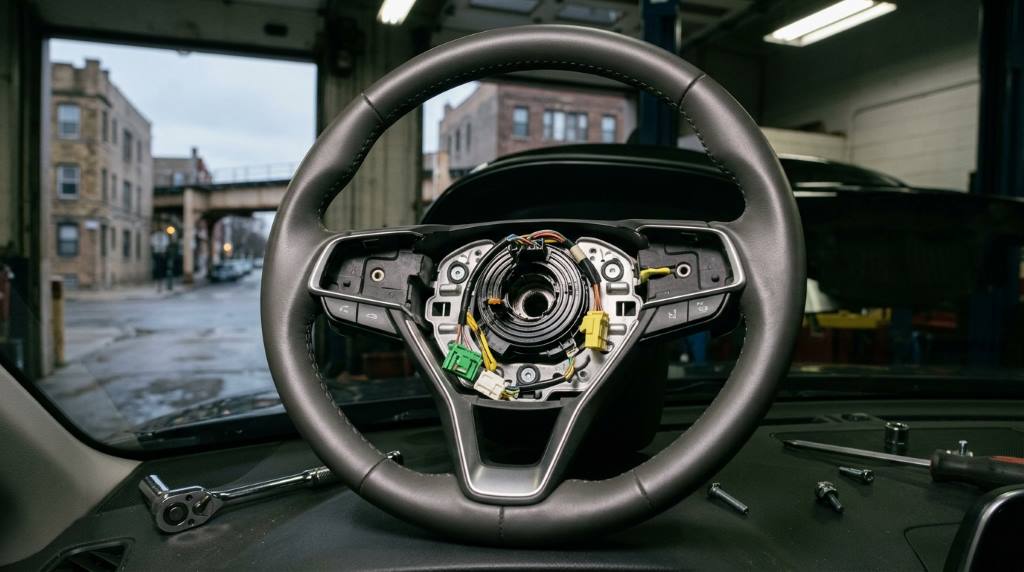
Modern steering wheels connect to a complex system that ensures precise vehicle control and driver safety. The main parts include the steering column, clock spring, airbag module, and electronic controls. Each component works together to allow smooth turning and proper signal transmission. In addition, newer vehicles include integrated controls for audio, cruise, and driver assistance systems. These features increase convenience but also add complexity to repairs. Therefore, understanding each part helps car owners make informed decisions when issues arise.
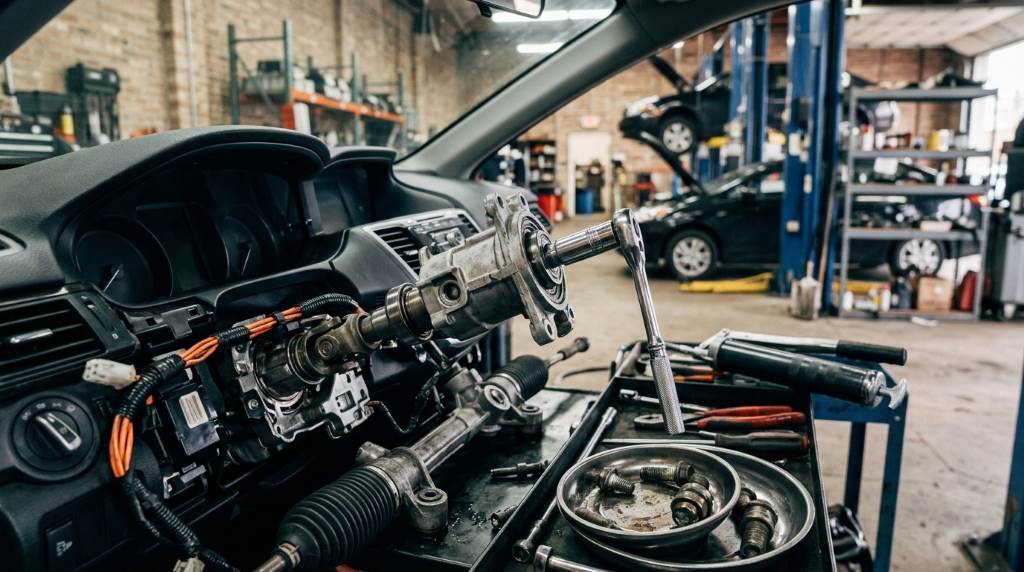
Key Components Explained
The steering column connects the steering wheel to the steering gear and allows rotational movement. The clock spring maintains electrical connections while the wheel turns, which supports airbag and button functions. Meanwhile, the airbag module ensures safety during collisions by deploying instantly when needed. Steering angle sensors also play a vital role in stability control systems. Faults in any of these parts can impact overall driving performance. As a result, identifying the exact component issue is critical before starting repairs.
Common Steering Wheel Problems in Chicago
Driving conditions in Chicago create unique challenges that affect steering systems over time. Harsh winters, road salt, and potholes increase wear on steering components. Drivers often notice stiffness, unusual noises, or unresponsive controls. These symptoms usually signal underlying issues that require immediate attention. Ignoring them can lead to unsafe driving conditions or costly repairs. Therefore, recognizing early warning signs is essential for every car owner.
Frequent Issues to Watch For
- Steering wheel vibration at high speeds
- Difficulty turning during cold weather
- Malfunctioning steering wheel buttons
- Airbag warning light activation
- Clicking noise while turning
Each of these issues points to a different mechanical or electrical problem. For example, vibrations may indicate alignment issues, while electrical faults often involve the clock spring. Addressing these problems early helps prevent larger system failures. Regular inspections can also reduce long-term maintenance costs. Consequently, proactive care remains the best approach.
Impact of Chicago Weather on Steering Systems
Chicago’s climate significantly affects vehicle performance, especially steering components. During winter, freezing temperatures can stiffen lubricants and reduce steering responsiveness. Salt used on roads accelerates corrosion, particularly in the steering column and related metal parts. In summer, heat can expand materials and affect electronic components inside the steering wheel. These seasonal changes create ongoing stress on the system. Therefore, car owners must adjust maintenance routines based on weather conditions.
Seasonal Maintenance Tips
During winter, check for stiffness or delayed steering response regularly. Clean salt residue from undercarriage and steering components to prevent corrosion. In summer, inspect electrical connections for heat-related wear. Additionally, ensure proper lubrication of moving parts to maintain smooth operation. Routine checks before each season can prevent unexpected failures. This approach keeps your steering system reliable year-round.
Signs You Need Steering Wheel Repairs
Many steering issues start small but worsen over time if ignored. Drivers should pay attention to subtle changes in handling or control. A loose steering wheel, for instance, often indicates internal wear in the column. Meanwhile, unresponsive buttons may point to electrical faults. These signs should never be overlooked because they directly affect driving safety. Early diagnosis helps avoid more complex repairs later.
Warning Indicators
- Steering wheel feels loose or unstable
- Delayed response when turning
- Electrical controls stop working
- Airbag warning light stays on
- Grinding or clicking sounds
Each of these symptoms requires a different repair approach. For example, electrical issues may involve replacing the clock spring, while mechanical problems might require column adjustments. Identifying the correct cause ensures efficient repairs. Professional inspection often helps confirm the issue accurately. Acting quickly reduces both risk and repair costs.
DIY vs Professional Repairs
Some steering wheel repairs may seem simple, but many require specialized knowledge and tools. DIY fixes can work for minor issues like loose trim or button replacement. However, complex components such as airbags and clock springs demand professional handling. Incorrect repairs can lead to safety hazards or system failures. Therefore, understanding your limits is essential before attempting any fix. Choosing the right approach saves time and ensures safety.
When to DIY
DIY repairs work best for basic cosmetic or surface-level issues. Replacing worn covers or tightening loose screws falls into this category. These tasks require minimal tools and pose little risk. However, even simple repairs should follow manufacturer guidelines. Proper handling ensures you do not damage other components. Always double-check instructions before starting.
When to Call a Professional
Professional help becomes necessary when dealing with electrical systems or safety features. Airbag-related repairs require specialized equipment and training. Mechanics also use diagnostic tools to identify hidden issues accurately. Attempting these repairs without expertise can cause serious problems. Therefore, seeking expert assistance ensures proper handling and long-term reliability. It also protects your safety on the road.
Cost of Steering Wheel Repairs in Chicago
Repair costs vary depending on the type and severity of the issue. Minor fixes such as button replacements may cost under $100. However, replacing a clock spring or airbag module can range from $300 to $1,000 or more. Labor costs in Chicago also influence overall expenses. Additionally, luxury vehicles often require more expensive parts. Understanding these factors helps you budget for repairs effectively.
Cost Breakdown
- Clock spring replacement: $200–$500
- Airbag module repair: $500–$1,200
- Steering column repair: $300–$800
- Electrical diagnostics: $100–$200
Prices may vary based on vehicle type and repair shop. Comparing estimates from multiple service providers helps you find fair pricing. Regular maintenance can also reduce the need for expensive repairs. Therefore, preventive care remains a smart investment.
Preventive Maintenance Tips
Preventive maintenance plays a key role in extending the life of steering components. Regular inspections help detect early signs of wear or damage. Keeping the steering system clean reduces the risk of corrosion and electrical faults. Additionally, proper driving habits can minimize stress on components. These steps ensure long-term reliability and safety.
Best Practices
- Avoid hitting potholes whenever possible
- Keep steering components clean from salt and debris
- Schedule regular inspections
- Address minor issues immediately
- Use manufacturer-recommended parts
Following these practices reduces the likelihood of major repairs. Consistent care also improves overall vehicle performance. Small efforts today can prevent costly problems tomorrow. Therefore, maintenance should never be overlooked.
Choosing the Right Repair Shop in Chicago
Selecting a reliable repair shop ensures quality service and accurate diagnostics. Look for certified technicians with experience in steering systems. Customer reviews also provide insight into service quality. Additionally, transparent pricing and warranties indicate trustworthy businesses. Taking time to choose the right shop can save money and prevent repeat issues.
What to Look For
- Certified and experienced technicians
- Positive customer reviews
- Clear pricing and estimates
- Warranty on repairs
- Access to modern diagnostic tools
These factors help you identify a reputable service provider. A good repair shop will also explain issues clearly and recommend practical solutions. Building a relationship with a trusted mechanic benefits long-term vehicle care. Therefore, choose carefully and prioritize quality.
Related:
Suspension and Steering Repairs: Guide to Fixing Rack and Pinion Internal Leaks Efficiently
How to Future-Proof Your Car Infotainment and Connectivity Setup
Conclusion
Steering wheel components play a critical role in vehicle safety and performance, especially in a demanding environment like Chicago. Understanding how these systems work helps you identify problems early and take appropriate action. Regular maintenance, timely repairs, and professional assistance ensure smooth and safe driving. Ignoring small issues can lead to bigger problems and higher costs over time. Therefore, staying proactive remains the best strategy for car owners. Take action today by inspecting your vehicle and consulting a trusted mechanic when needed.
FAQs
What causes steering wheel stiffness in winter?
Cold temperatures thicken lubricants and reduce flexibility in components, making steering harder to turn.
How do I know if my clock spring is faulty?
Common signs include non-working buttons, airbag warning lights, and unusual noises when turning.
Is it safe to drive with a loose steering wheel?
No, it can affect control and lead to dangerous driving conditions, so repair it immediately.
How often should I inspect steering components?
You should check them at least twice a year or during seasonal maintenance.
Can steering wheel electronics be repaired easily?
Some minor issues are simple, but most electrical problems require professional diagnostics and repair.