


Replacing an engine can seem like a daunting task, especially when you consider the electronic control unit (ECU) that manages your vehicle’s performance. Many car owners worry about the complexity and cost of reprogramming this crucial computer component. However, with the right approach and understanding, you can successfully replace an engine without touching the ECU programming. This guide will walk you through the process and explain when reprogramming is necessary and when you can skip it entirely.
Understanding the ECU and Its Role
The electronic control unit serves as your vehicle’s brain. It controls various engine functions, including fuel injection, ignition timing, and emissions systems. Modern vehicles rely heavily on this computer to optimize performance and efficiency. Therefore, understanding how it interacts with your engine becomes essential before attempting any replacement work.
When you replace an engine, the ECU must communicate effectively with the new powerplant. Fortunately, this doesn’t always require reprogramming. The key lies in choosing the right replacement engine and understanding compatibility factors that affect ECU communication.
Choosing a Compatible Replacement Engine
The most critical step in avoiding ECU reprogramming involves selecting an identical or highly compatible replacement engine. When you use an engine that matches your original specifications exactly, the existing ECU can continue operating without modifications. This approach saves time, money, and potential headaches down the road.
Look for engines with the same model year, displacement, and configuration as your original. Additionally, ensure the replacement comes from the same vehicle make and model when possible. Salvage yards and reputable engine suppliers can help you locate suitable options that meet these criteria.
According to automotive experts at Car and Driver, using an identical engine from the same model year typically allows for a straightforward swap without ECU complications. This strategy represents the most reliable path forward for DIY mechanics and professional shops alike.
Transferring Components from the Old Engine
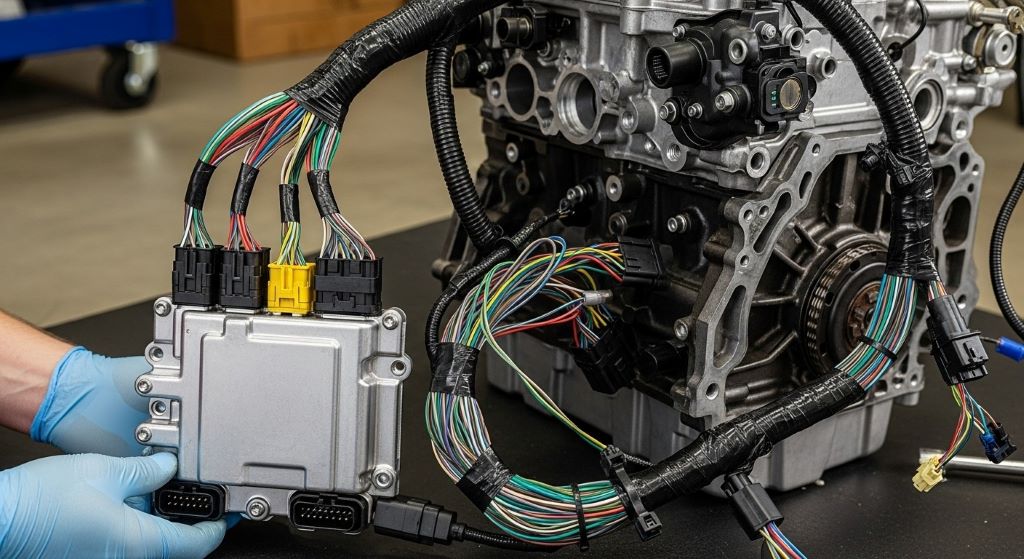
Another effective strategy involves transferring specific components from your old engine to the replacement. This method works particularly well when you cannot find an exact match. By moving sensors, wiring harnesses, and other electronic components, you maintain the original communication pathway between the engine and ECU.
Start by carefully removing all sensors from the original engine before disposal. These include oxygen sensors, mass airflow sensors, throttle position sensors, and camshaft position sensors. Additionally, consider transferring the intake manifold, fuel injectors, and ignition coils if they differ from the replacement engine.
This component transfer ensures the ECU receives signals in the expected format and location. Consequently, the computer continues managing engine functions without detecting any changes that would trigger error codes or performance issues.
Matching Engine Control Systems
Modern vehicles use sophisticated engine control systems that vary between model years and trim levels. When replacing an engine, you must ensure the replacement uses the same control system architecture. This compatibility extends beyond just the engine block to include all electronic interfaces.
Check that the replacement engine uses the same number and type of sensors. Furthermore, verify that connector types match between the old and new engines. Mismatched connectors can prevent proper communication even when the engines are otherwise identical.
Some manufacturers made running changes during production years. Therefore, even engines from the same model year might have slight variations. Research your specific vehicle’s production date and verify the replacement engine came from a vehicle built during a compatible timeframe.
When You Can Skip ECU Reprogramming
Several scenarios allow you to bypass ECU reprogramming entirely. Understanding these situations helps you plan your engine replacement project more effectively. First, when installing an identical engine from the same year and model, reprogramming typically becomes unnecessary. The ECU already contains the correct parameters for managing that specific engine configuration.
Second, replacing a damaged engine with a low-mileage used unit from an identical vehicle rarely requires programming changes. The ECU doesn’t track individual engine serial numbers in most cases. Instead, it monitors sensor inputs and adjusts accordingly based on real-time data.
Third, keeping all original sensors, wiring, and control modules intact eliminates most reprogramming needs. The ECU communicates through these components regardless of the specific engine block underneath them. This approach works particularly well for older vehicles with less complex engine management systems.
Potential Challenges and Solutions
Despite careful planning, you might encounter challenges during the replacement process. Error codes may appear after installation, even when using a compatible engine. These codes often result from disconnected sensors or loose electrical connections rather than ECU incompatibility.
Start by checking all sensor connections thoroughly. Additionally, ensure ground wires connect properly between the engine and chassis. Poor grounds cause numerous electrical problems that mimic ECU programming issues. Clear any error codes after verifying connections, then test drive the vehicle to see if they return.
If problems persist, consider whether the replacement engine has different compression ratios or camshaft profiles. These mechanical differences can affect engine performance in ways the ECU struggles to compensate for without reprogramming. However, such issues typically arise only when installing significantly different engines.
Benefits of Avoiding ECU Reprogramming
Skipping the reprogramming step offers several significant advantages. First, you save considerable money on professional programming services, which can cost several hundred dollars. Second, you avoid potential complications from incorrect programming that might affect engine performance or fuel economy.
Furthermore, keeping the original ECU programming maintains your vehicle’s emissions compliance. Reprogramming sometimes requires certification to ensure the vehicle still meets environmental standards. By avoiding this step entirely, you sidestep these regulatory concerns altogether.
The National Highway Traffic Safety Administration emphasizes the importance of maintaining proper emissions controls during vehicle repairs. Using compatible engines without reprogramming helps ensure continued compliance with these standards.
Installing the Replacement Engine
Once you’ve selected a compatible engine and transferred necessary components, the physical installation process begins. Remove the old engine carefully, documenting all connections and mounting points. Take photographs throughout the removal process to reference during reinstallation.
Install the replacement engine using proper lifting equipment and safety procedures. Connect all sensors, wiring harnesses, and fuel lines exactly as they were on the original engine. Double-check every connection before adding fluids and attempting to start the vehicle.
After installation, add appropriate fluids including engine oil, coolant, and any other necessary lubricants. Check for leaks around all connections and gaskets. Prime the fuel system if necessary, then attempt starting the engine while monitoring for unusual sounds or warning lights.
Testing and Verification
After successfully starting the replacement engine, thorough testing becomes essential. Let the engine idle while monitoring temperature gauges and listening for abnormal noises. Check for fluid leaks around all connections and address any issues immediately.
Take the vehicle for a test drive, paying attention to acceleration, idle quality, and overall performance. The engine should respond smoothly without hesitation or rough running. If you notice any problems, stop and investigate before continuing operation.
Use an OBD-II scanner to check for error codes even if the check engine light doesn’t illuminate. Some codes store in memory without triggering warning lights. Address any codes that appear before considering the job complete.
Conclusion
Replacing an engine without reprogramming the ECU is entirely possible when you follow the right procedures. The key lies in selecting a compatible replacement engine that matches your original specifications exactly. By transferring components from the old engine and ensuring all connections remain intact, you can complete this complex repair without expensive programming services. This approach saves money while maintaining your vehicle’s reliability and performance. Remember to verify compatibility thoroughly, take your time during installation, and test everything carefully before returning the vehicle to regular service. With patience and attention to detail, you can successfully complete this challenging automotive repair project.
Frequently Asked Questions
Will my car run with a different engine without reprogramming the ECU?
Yes, your car can run with a different engine without reprogramming if the replacement is identical or highly compatible with the original. The ECU relies on sensor inputs rather than recognizing specific engine serial numbers. However, significant differences in engine specifications may cause performance issues or error codes that eventually require professional attention.
How do I know if my replacement engine is compatible with my ECU?
Check that the replacement engine comes from the same make, model, and year as your vehicle. Additionally, verify that it has the same displacement, number of cylinders, and fuel delivery system. Contact the supplier for detailed specifications and compare them against your original engine’s data plate information.
Can I use an engine from a newer model year without reprogramming?
Using an engine from a newer model year without reprogramming is risky and often unsuccessful. Manufacturers frequently update engine designs, sensor configurations, and control strategies between model years. These changes typically require ECU reprogramming or replacement to function properly and avoid performance problems.
What sensors should I transfer from my old engine to avoid reprogramming?
Transfer all sensors including oxygen sensors, mass airflow sensors, throttle position sensors, camshaft and crankshaft position sensors, knock sensors, and temperature sensors. Additionally, move the intake manifold, fuel injectors, and ignition components if they differ from the replacement engine to maintain proper ECU communication.
How much does ECU reprogramming cost if I need it?
ECU reprogramming typically costs between $200 and $600 depending on your vehicle make, model, and location. Dealerships generally charge more than independent shops specializing in automotive electronics. Some vehicles require additional programming for security systems or immobilizers, which can increase the total cost significantly.
Related Topics: